Welcome back, fellow wanderers! If you are looking at the travel landscape for 2026, you have likely noticed one massive trend: Asia is calling louder than ever. And sitting right at the very top of the “Most Visited” list is a destination that perfectly balances ancient traditions and futuristic innovation.
Yes, we are talking about the mesmerizing, ever-evolving, and deeply soul-stirring island nation of Japan.
Table of Contents
Following the global buzz of the 2025 Osaka Expo, Japan’s infrastructure, accessibility, and hospitality are at an all-time high in 2026. Whether you are planning a solo adventure of self-discovery, a lively group trip with your best friends, or a romantic getaway to share with your partner, Japan is ready to welcome you with open arms. We know that planning a trip here can feel a little overwhelming simply because there is so much to see. But don’t worry, we have done the heavy lifting for you!
This guide is your one-stop resource, designed with genuine care to help you navigate the very best this country has to offer. Forget about reading thick, complicated guidebooks. we are giving you exactly what you need: useful tips, exciting ideas, and a very clear guide.
So, let’s explore Japan!
1. Tokyo: The Neon-Drenched Metropolis

Step out of the bustling mega-stations and let the sheer, electric energy of the world’s most populous city wash over you. Tokyo is a masterclass in organized chaos, where mist-covered centuries-old shrines sit quietly in the shadows of glass-and-steel architectural marvels. It is a city that never sleeps, yet always respects the quiet moments.
Urban Excitement and Hidden Tranquility. Tokyo is the ultimate playground for couples and travelers who love high-energy exploration by day and Michelin-quality culinary adventures by night, seamlessly blended with quiet strolls through shaded, incense-scented temple grounds.
Unforgettable Activities:
- Get Lost in TeamLab Borderless: If you would like to experience the future of art, wander through these awe-inspiring, room-sized digital light installations. It is a wildly romantic, immersive experience that feels like stepping into another dimension.
- Savor Sushi in Tsukiji Outer Market: Start your morning with a low-pressure stroll through the labyrinth of seafood vendors. Grab a melt-in-your-mouth piece of fatty tuna or a warm, sweet tamago (rolled omelet) directly from the chefs.
- Embrace the Energy of Shibuya: Hold hands with your partner and cross the legendary Shibuya Scramble. Afterward, duck into a quiet, multi-story vinyl record bar or an intimate izakaya (Japanese pub) tucked into a narrow, lantern-lit alleyway.
- Stroll Through Yoyogi Park: Find your zen by wandering the wide, forested pathways leading to the Meiji Shrine. The towering cypress gates and the sound of gravel crunching underfoot provide a grounding escape from the neon streets.
Tokyo is ideal for feeling the pulse of a hyper-modern world while still finding deeply personal, quiet moments together. It is a place that reminds you of how vast the world is, making the bond with your travel companions feel that much more special.
Best Time to Visit: Late March to early April for the iconic, snow-white cherry blossoms (Sakura), or late October to November when the city cools down and the ginkgo trees turn a brilliant, golden yellow.
2. Kyoto: The Cultural Heart

Leave the neon behind and step into a living, breathing painting. Kyoto is the Japan of your imagination—a place of rustling bamboo groves, geisha slipping through lantern-lit alleyways, and moss-draped gardens meticulously curated for hundreds of years.
Timeless Romance and Serenity. Kyoto slows your heart rate. It is an invitation to breathe deeply, appreciate the small details, and connect with Japan’s rich, spiritual heritage at a comfortable, unhurried pace.
Unforgettable Activities:
- Wander the Arashiyama Bamboo Grove: Arrive just as the sun rises to experience the towering, jade-green stalks clicking gently in the morning breeze. It is deeply atmospheric and perfect for uninterrupted morning conversations.
- Experience a Traditional Tea Ceremony: Book a private session in a traditional machiya (wooden townhouse). Watching the precise, graceful preparation of matcha tea is a masterclass in mindfulness and a beautiful cultural exchange.
- Sunset at Kiyomizu-dera: Climb the charming, pottery-lined streets to this massive wooden temple built into the hillside. The panoramic view of the city as the sky turns bruised purple and fiery orange is simply breathtaking.
- Explore the Fushimi Inari Shrine: Hike through thousands of vermilion torii gates winding up the sacred mountain. If you can easily allow for a couple of hours, the higher you climb, the quieter and more mystical the trail becomes.
Kyoto is ideal for feeling good moments while sitting in silence together. The city strips away modern distractions, allowing you and your partner to reflect, relax, and soak in an environment that feels wonderfully untouched by time.
Best Time to Visit: Mid-to-late November is unparalleled. The autumn leaves (koyo) transform the city’s temple gardens into a blazing tapestry of crimson, burnt orange, and gold.
3. Hakone: Mist-Covered Mountains and Hot Springs

Just a short, scenic train ride from Tokyo lies a volcanic wonderland of steaming vents, lush valleys, and mirrored lakes. Hakone is where the Japanese go to escape the grind, a mountainous retreat completely dedicated to the art of relaxation and the pursuit of the perfect hot spring.
Relaxation and Rejuvenation. This is your ultimate spa getaway. Hakone is all about shedding your travel fatigue, slipping into a comfortable cotton yukata (robe), and letting the mineral-rich waters melt your stress away.
Unforgettable Activities:
- Soak in a Private Onsen: For the ultimate luxury, book a traditional ryokan (inn) with an open-air hot spring bath attached to your room. Sitting in steaming water while breathing in the crisp mountain air is an absolute must-do.
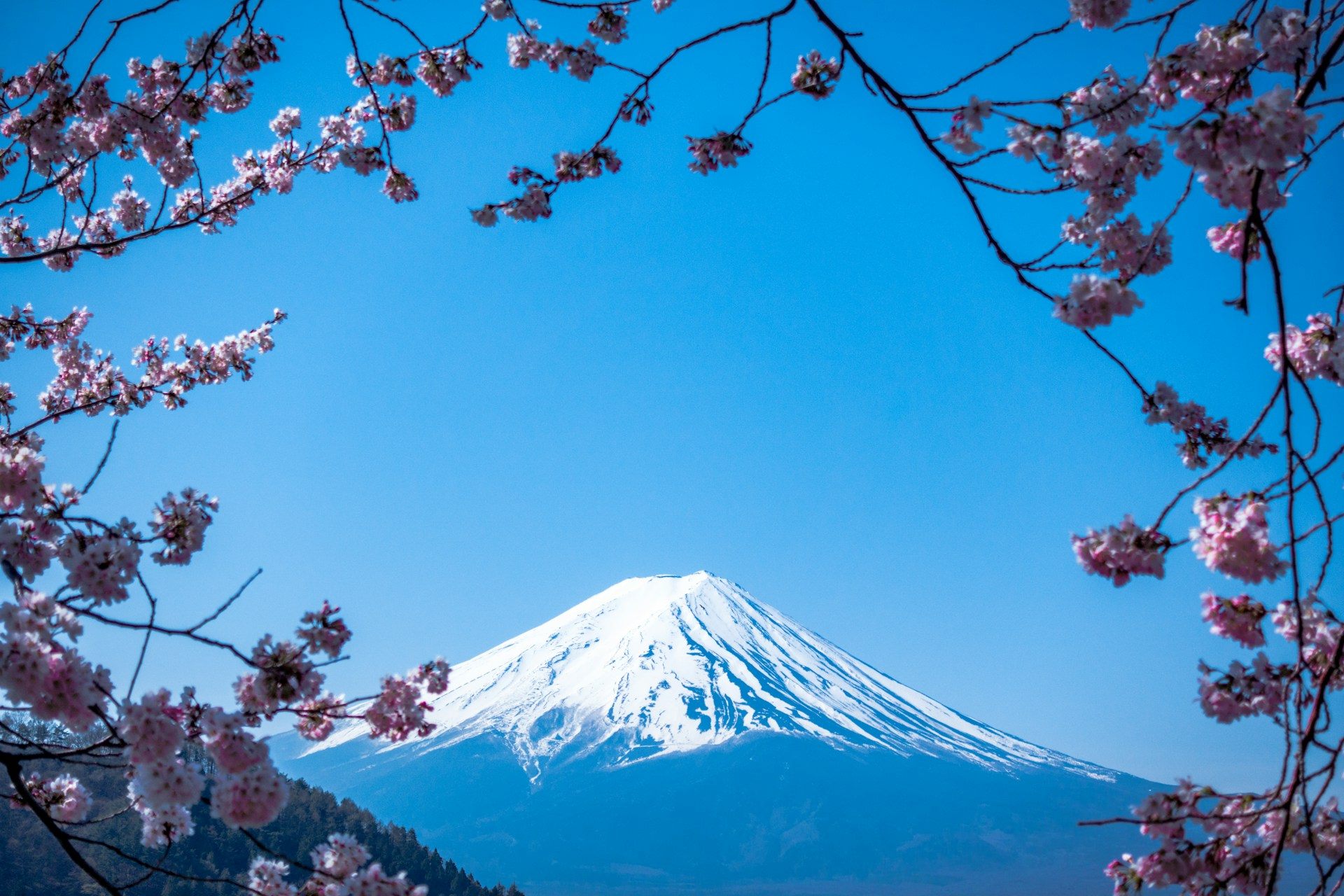
- Sail on Lake Ashi: Board a quirky pirate ship and cruise across the deep-blue caldera lake. On a clear day, the awe-inspiring, snow-capped peak of Mount Fuji reflects perfectly on the water’s surface.
- Ride the Hakone Ropeway: Glide over the Owakudani volcanic valley. The sulfuric plumes rising from the earth are a dramatic reminder of nature’s power. Don’t forget to try the local specialty: black eggs boiled directly in the hot springs!
- Indulge in Kaiseki Dining: Experience a multi-course, seasonal dinner served intimately in your room. It is a culinary art form where every dish is designed to reflect the current season through taste, texture, and exquisite presentation.
Hakone forces you to slow down. It provides a structured, culturally enriching environment where the only items on your itinerary are resting, eating incredibly well, and enjoying the company of the person you are with.
Best Time to Visit: Winter (December to February). There is nothing quite like the contrast of a freezing, snow-dusted evening outside while you are submerged in a bubbling, 104-degree hot spring. Plus, winter offers the clearest skies for viewing Mount Fuji!
4. Osaka: The Culinary Capital

Welcome to Japan’s kitchen! If Tokyo is the serious, stylish older sibling, Osaka is the fun-loving, loud, and incredibly welcoming life of the party. Here, the motto is kuidaore—which literally translates to “eat until you drop.”
Vibrant Energy and Flavorful Joy. Osaka is a highly social, unpretentious city. It is perfect for foodies who want to roll up their sleeves, drink cold beer in lively street stalls, and laugh with friendly locals into the early hours of the morning.
Unforgettable Activities:
- Eat Your Way Through Dotonbori: Walk along the neon-lit canal and let your nose guide you. You absolutely must try takoyaki (molten, savory octopus balls) and okonomiyaki (a hearty, customizable savory pancake).
- Explore Osaka Castle: Step back into the era of shoguns and samurais. The stunning architectural exterior provides a gorgeous backdrop for photos, while the surrounding park is a fantastic spot for a lazy afternoon picnic.
- Discover Shinsekai: This retro-futuristic neighborhood, frozen in the vibe of early 20th-century Japan, is famous for kushikatsu (deep-fried meat and vegetable skewers). It is gritty, colorful, and completely authentic.
- Visit Universal Studios Japan: If you and your partner love theme parks, this is home to Super Nintendo World. It is an absolute blast of pure, nostalgic joy that brings out the inner child in every visitor.
Osaka breaks the ice. The warmth and humor of the local people are infectious. It is the perfect city to let your hair down, share amazing plates of comfort food, and create loud, happy memories together.
Best Time to Visit: September through November. The autumn weather is crisp and comfortable, making those long evenings of outdoor street-food hopping an absolute delight.
5. Nara: History and Gentle Encounters

This compact, deeply historical city feels like a storybook brought to life. It is most famous for its vast, open-air park where thousands of sacred, semi-tame deer roam freely among ancient wooden temples.
Charming Wildlife and Ancient Wonder. Nara is a highly accessible day trip (or a peaceful overnight stay) that offers a whimsical, low-pressure environment. It is arguably one of the most uniquely photogenic locations in all of Asia.
Unforgettable Activities:
- Meet the Nara Deer: Buy a pack of shika senbei (deer crackers) and prepare to make some furry friends. The deer have actually learned to bow to politely ask for treats! It is a lighthearted, joy-filled experience.
- Gaze at the Great Buddha: Step inside the awe-inspiring Todai-ji Temple. Housing a colossal, 15-meter-tall bronze Buddha statue, the sheer scale of the architecture and the peaceful ambiance will leave you speechless.
- Stroll the Kasuga Taisha Shrine: Wander along forested pathways lined with thousands of stone lanterns, which lead to a brilliant vermilion shrine adorned with hundreds of hanging bronze lanterns. It feels truly magical.
- Explore Naramachi: Walk through the former merchant district. The narrow streets are lined with preserved traditional houses that have been converted into cozy cafes, boutique craft shops, and local sake breweries.
Nara offers a sense of innocent wonder. Interacting with the wildlife against a backdrop of some of Japan’s oldest religious sites creates a feeling of harmony between nature and history that is hard to find anywhere else.
Best Time to Visit: Spring (April to May) or Autumn (October to November) when the weather is mild, as you will be spending nearly your entire visit outdoors in the park and temple grounds.
6. Hokkaido: Nature’s Untamed Playground

Far to the north lies Hokkaido, Japan’s wild frontier. This massive island trades dense cityscapes for sweeping lavender fields, caldera lakes, and some of the deepest, fluffiest powder snow on the planet.
Wilderness and Adventure. Hokkaido appeals to travelers who crave wide-open spaces, dramatic seasonal shifts, and farm-to-table dining. It is a breath of fresh, crisp air for those looking to escape the hustle of the mainland.
Unforgettable Activities:
- Hit the Slopes in Niseko: If you visit in winter, you are in for a treat. The snowboarding and skiing here are world-renowned, followed perfectly by an evening of sipping local whisky by a fire.
- Marvel at the Furano Flower Fields: If summer is more your style, these rolling hills erupt into a vibrant patchwork quilt of blooming lavender, poppies, and sunflowers under endless blue skies.
- Feast on Fresh Seafood: Hokkaido’s cold waters produce the best crab, sea urchin, and scallops in Japan. Head to the morning markets in Sapporo or Hakodate for a fresh seafood rice bowl that will ruin you for seafood anywhere else.
- Hike Daisetsuzan National Park: Known as the “Playground of the Gods,” this vast wilderness offers misty hiking trails, alpine flowers, and secluded wild hot springs perfect for adventurous couples.
Hokkaido connects you with the earth. It is a place of grand scale and natural beauty that puts life into perspective, ideal for adventurous spirits who want to share thrilling outdoor experiences.
Best Time to Visit: It depends entirely on your passion! Visit January to February for world-class winter sports and snow festivals, or July to August for spectacular floral blooms and pleasant, humidity-free hiking.
2026 Travel Masterclass: Practical Tips for a Flawless Japan Trip
To make sure your journey is as smooth as a Shinkansen (bullet train) ride, we have compiled a few essential tips for traveling to Japan in 2026. Keep these in your back pocket to ensure a stress-free adventure:
1. The Digital Wallet is King While Japan used to be a heavily cash-based society, 2026 has seen a massive shift. You can now easily load a digital IC Card directly onto your smartphone’s wallet. You will use this tap-and-go card for all subways, buses, vending machines, and even convenience stores. (Though, it is still smart to carry a few thousand Yen in cash for smaller, rural shrines).
What is an IC card?
An IC card (Integrated Circuit card) is essentially a rechargeable, tap-and-go smart card that acts as your golden ticket to getting around Japan with zero stress.
Think of it as a prepaid transit card and a digital debit card all rolled into one pocket-sized lifesaver. If you are traveling to Japan, it is the absolute best tool you can have.
Here is a quick breakdown of why they are so spectacular and how you use them:
What Can You Do With It?
- Seamless Transportation: You just tap the card (or your smartphone) on the glowing reader at the ticket gates, and it instantly calculates and deducts your fare. It works on almost all trains, subways, and buses across the entire country, meaning you never have to waste time figuring out complex paper ticket machines.
- Frictionless Store Hauls: Your IC card is your absolute best friend for quick trips to Japan’s famous convenience stores (like FamilyMart, Lawson, or 7-Eleven). Just load up on your favorite on-the-go snacks, let the cashier know you are using an IC card, and tap to pay in a split second.
- Vending Machines: See a mesmerizing, glowing vending machine with hot boss coffee or cold green tea on the street? You can tap your card to pay for it instantly.
- Coin Lockers: When you need to stash your daypack at a train station, many modern lockers use your IC card as both the payment method and the physical “key” to open the locker back up later.
“Big Three” Transit Cards (Don’t Worry, They All Work the Same)
Even though you might spot a variety of colorful regional cards during your travels, the glorious truth is that they are practically universal across the entire country today.
Here are the most popular options you will likely encounter:
- Suica: The iconic green card with a cute penguin mascot, originally from the Tokyo/JR East area.
- Pasmo: The pink card, also from the Tokyo area (primarily non-JR subway lines).
- ICOCA: The blue and yellow card with a platypus mascot, originally from the Osaka/Kyoto (Kansai) area.
How to Get One in 2026:
- Digital (The Easiest Way): If you have an iPhone with Apple Wallet (or a compatible Android device), you can simply add a digital Suica, Pasmo, or ICOCA directly to your phone before you even land in Japan! You just load it using your regular credit card and tap your phone at the gates.
- Physical: If you prefer a physical card, you can easily buy a tourist version (like the “Welcome Suica” or “Pasmo Passport”) from automated machines at major airports like Narita or Haneda when you arrive.
2. Navigate Like a Pro Google Maps works flawlessly in Japan, but the transit system can still look like a bowl of colorful spaghetti. Pro-tip: Pay close attention to the exit numbers at train stations. Shinjuku Station has over 200 exits; knowing you need “Exit A4” will save you 20 minutes of wandering.
3. Luggage Forwarding (Takuhaibin) Do not drag heavy suitcases onto crowded bullet trains. Japan has an incredibly reliable, affordable luggage forwarding system. Your hotel front desk can ship your bags to your next destination (usually arriving the next day) for around $15 USD. Travel with just a daypack and enjoy the freedom.
4. Embrace the Etiquette A little respect goes a long way. Remember to:
- Keep your voice down on public transit (trains are for sleeping and quiet reading).
- Never leave a tip at a restaurant (it is not customary and can actually cause confusion; excellent service is just a point of pride here).
- Always take off your shoes when entering someone’s home, a traditional ryokan, or rooms with tatami mat floors.
5. Book High-Demand Activities Early Post-Expo 2025 tourism is booming. If you want to visit the Ghibli Museum, teamLab exhibitions, or high-end omakase sushi restaurants, you need to book tickets the exact day they become available online (usually 30 to 60 days in advance).
Ready to Pack Your Bags?
There you have it! A comprehensive, zero-stress guide to exploring the many distinct flavors of Asia’s most sought-after destination. From the neon-drenched avenues of Tokyo to the mist-covered mountains of Hakone, Japan offers a profound, life-enriching experience that will stay with you long after you have returned home.
Remember, the best itinerary is the one that leaves room for spontaneous discovery. Don’t over-schedule yourselves. Leave an afternoon free simply to wander down an unnamed street, pop into a local bakery, or sit quietly in a centuries-old park.